
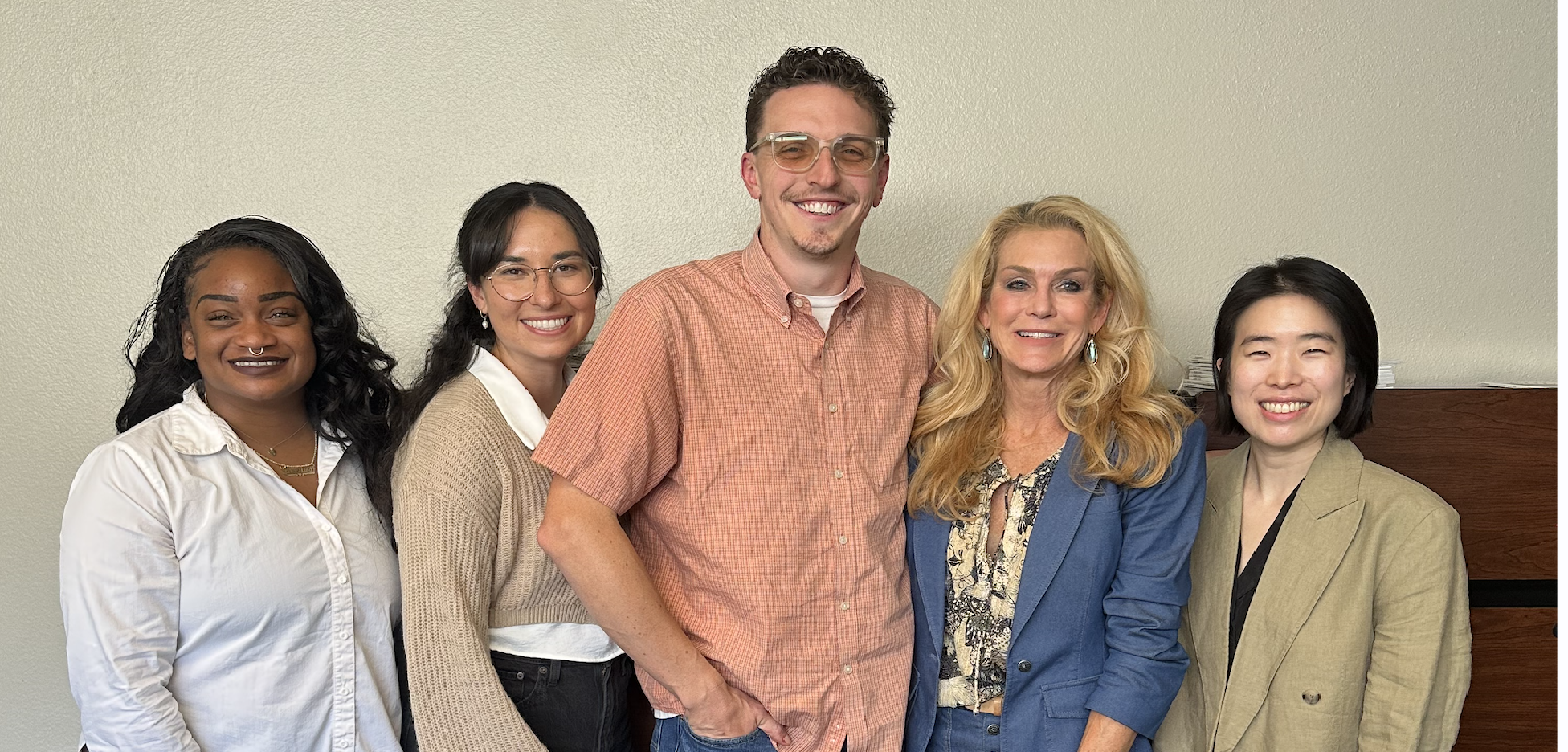
Thrive Lab
Office
Psychology Building 316
Fuller Theological Seminary
180 N Oakland Ave
Pasadena, CA 91101
LAB PROJECTS
Current Projects
Past Projects
PEOPLE
MISSION
The Thrive Lab focuses on applied research that can be translated into resources that promote spiritual health, becoming whole, and thriving. In the Thrive Lab, we collaboratively explore critical questions that inform how humans thrive and grow, not for their own sakes alone, but for the greater good. The research of the lab particularly focuses on the nature and function of healthy spirituality, including research on spirituality, religion, virtue development, purpose, and settings that are conducive to thriving. Our interdisciplinary scholarship integrates philosophical, theological, and psychological perspectives to further understand thriving and spirituality.
PROJECT
The Reciprocating Self: A Telos of Human Development
Given that not all development or growth is not always good, the Reciprocating Self Project (or Telos Project) pursues interdisciplinary perspectives of human thriving focusing on the purpose or goal (telos) of human development. This project originated in Christian theological and Relational Developmental Systems perspectives of the Reciprocating Self. The project incorporates anthropological, ontological, epistemological, and other philosophical perspectives and delineates methodological implications for research on human thriving and ecological flourishing. Related publications here.
PROJECT
Reciprocating Love Scale
This study aims to develop a measure of Reciprocating Love in order to assess the relational qualities that promote reciprocating selves or mutually beneficial relationships that nurture further thriving trajectories. Drawing on attachment theory, this study aims to test and validate a scale of reciprocating love including six relational qualities associated with the safe haven and secure base functions of caregiving: proximal responsiveness, sensitivity, repair, encouragement, differentiation, and cooperation.
PROJECT
Study of Spirituality in United States: Structural Topic Modelling
Applying cutting edge machine learning method, Structural Topic Modeling analysis, to rich qualitative and quantitative data garnered by the Fetzer Institute’s Study of Spirituality in America, the research team (led by Sung Kim and Pam King) seeks to understand a more nuanced and updated understanding of spirituality inside and outside of conventional religious traditions. Drawing on in depth qualitative interviews and two nationally representative samples gathered by NORC’s AmericaSpeak’s panel, we continue to analyze how views of spirituality shifted during the COVID pandemic.
PROJECT
Compassion International Study of Positive Youth Development
The Compassion International Study of Positive Youth Development (PYD) is a collaborative, multi-nation, comparative longitudinal study of positive youth development among youth living in extreme poverty. The collaboration has been led by Drs. Richard Lerner (Principal Investigator, Tufts University), Jacqueline Lerner (Boston College), Alistair Sim (Compassion International), Elizabeth Dowling (Tufts University), Jonathan Tirrell (Tufts University, and Pam King (Thrive Center, Fuller Theological Seminary). Drawing on the 5 C Model of PYD, the study has explored the roles of spirituality, hope, relationships, the 5C’s, and thriving outcomes among youth in El Salvador, Rwanda, and Uganda.
PROJECT
Shades of Gratitude: Exploring Divine, Cosmic, and Personal Sources of Gratitude
Research demonstrates that gratitude has a significant positive effect on our emotional and social well-being. However, until now, gratitude has been studied as an interpersonal construct—meaning researchers conceptualize and measure gratitude based on one person’s experience of gratitude for a gift or benefit originating from another person (e.g., I’m grateful to my parents for their kindness). What about “gifts,” like a beautiful sunset, that are not attributable to human agency? In other words, what about gratitude to God or other cosmic sources? This mixed-methods study explores how people construe and experience gratitude among different worldviews.
PROJECT
Measuring Spirituality Among Adolescents
From a relational developmental systems (RDS) meta-theoretical perspective, human development occurs through the ongoing interactions between a person and the many different environments or systems in which they live. Spiritual development is no exception. Studies on young people around the world point to the importance of transcendence, fidelity, and contribution as core components of an RDS perspective of spiritual development. This study has involved the measurement development and further refinement of the Measurement of Diverse Adolescent Spirituality (MDAS). See X for measure and related publications.
PROJECT
Spiritual Exemplars
Exemplarity research allows for the exploration of less understood psychological phenomena (Bronk, King & Matsuba, 2013), which in the case of this study is understanding the nature and structure of spirituality from a psychological perspective. The Spiritual Exemplar Project is an ongoing qualitative study on adolescent spiritual exemplars (King, Abo-Zena & Weber, 2017; King, Clardy & Ramos, 2014) and their subsequent development into adulthood (Defoy & King, 2019). These studies identify and elaborate on the importance of transcendence, fidelity, and contribution as part of central to the spirituality of diverse youth nominated for living with profound spirituality in their culture.
PROJECT
JoyRide: Exploring the Nature and Function of Joy
This project seeks to integrate the theological and psychological perspectives of joy and flourishing. Joy is conceptualized as a virtue involving thoughts, feelings, and behaviors related to things that matter most or related to telos.
SELECTED PUBLICATIONS
1. King, P. E., *Baer, R. E., & Greenway, T. S. (2024). Theological perspectives on beliefs and communities of practice: Virtue systems as an integrative approach for psychologists. In M. D. Matthews & R. M. Lerner (eds. Multidisciplinary Handbook of Character Development Vol 1. Conceptualizing and Defining Character Virtues. Routledge, an imprint of Taylor & Francis. DOI: https://doi.org/10.4324/9781003251248
2. Kim, S., King, P.E., & Trudeau, S. M. (2024). Spirituality and meaning-making across contexts: Structural topic modeling of the Fetzer Spirituality Study in America. Psychology of Religion and Spirituality, 16(2), 203-213. DOI: https://psycnet.apa.org/record/2023-29781-001?doi=1
3. King, P. E. & Mangan, S. (2023). Hindsight in the 2020’s: Looking back and forward to positive youth development and thriving. In L. Crockett, G. Carlo, & J. Schulenberg (Eds.), APA Handbook of Adolescent and Young Adult Development. Washington, DC, US: American Psychological Association. pp. 609–627. DOI: https://doi.org/10.1037/0000298-037
4. Leidenhag, J. & King, P. E. (2023). Neurodiversity and Thriving: A Case Study in Theology-Informed Psychology, Studies in Christian Ethics, 36(4), 827–843. DOI: https://doi.org/10.1177/09539468231187784
5. King, P. E., *Baer, R. A., *Noe, S. A., Trudeau, S., Mangan, S. A., & *Constable, S. R. (2022). Shades of Gratitude: Exploring Varieties of Transcendent Beliefs and Experience. Religions, 13(11), 1091. DOI: https://doi.org/10.3390/rel13111091
6. King, P. E., & *Baer, R. A. (2022). Back to the future: Volf’s eschatological vision of flourishing for a psychology of thriving. Journal of Psychology and Theology, 50(1), 38-49. DOI: https://doi.org/10.1177/00916471211072312
7. Tirrell, J.M., Dowling, E.M., Kibbedi, P., Dennis, J., Malvese, K., Abbasi-Asl, R. Lerner, R., Kibbedi, P., Namurinda, E., Iraheta, G., Williams, K., Sim, A. T. R., Lerner, J. V., & King, P. E. (2022). Measuring Youth Perceptions of Being Known and Loved and Positive Youth Development: Cross-National Findings from Rwanda and El Salvador. Child Youth Care Forum, 52, 1093–1119. DOI: https://link.springer.com/article/10.1007/s10566-022-09725-6
8. Lerner, R. M., King, P. E., Dowling, E. M., & Bowers, E. P. (2025). Revisiting the Rocks of Ages: The Ontology of Human Development as a Sample Case of Meaningful Collaborations Between the Magisteriums of Science and Religion.
PEOPLE
Faculty
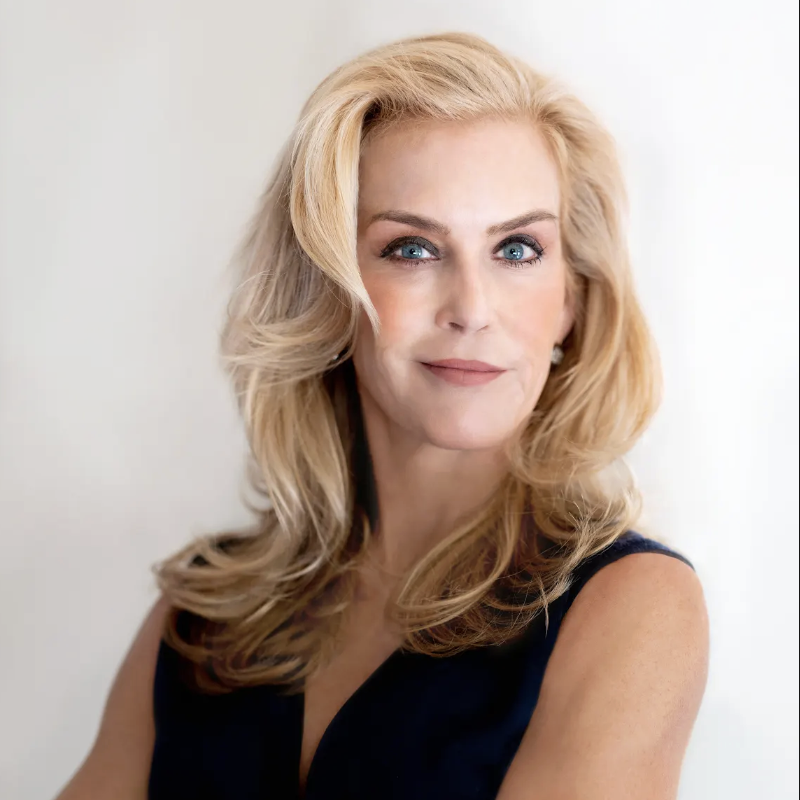
Pamela Ebstyne King
Peter L. Benson Professor of Applied Developmental Science
Executive Director, Thrive Center for Human Development
BA, STANFORD UNIVERSITY
MDIV, FULLER THEOLOGICAL SEMINARY
PHD, FULLER THEOLOGICAL SEMINARY
Staff
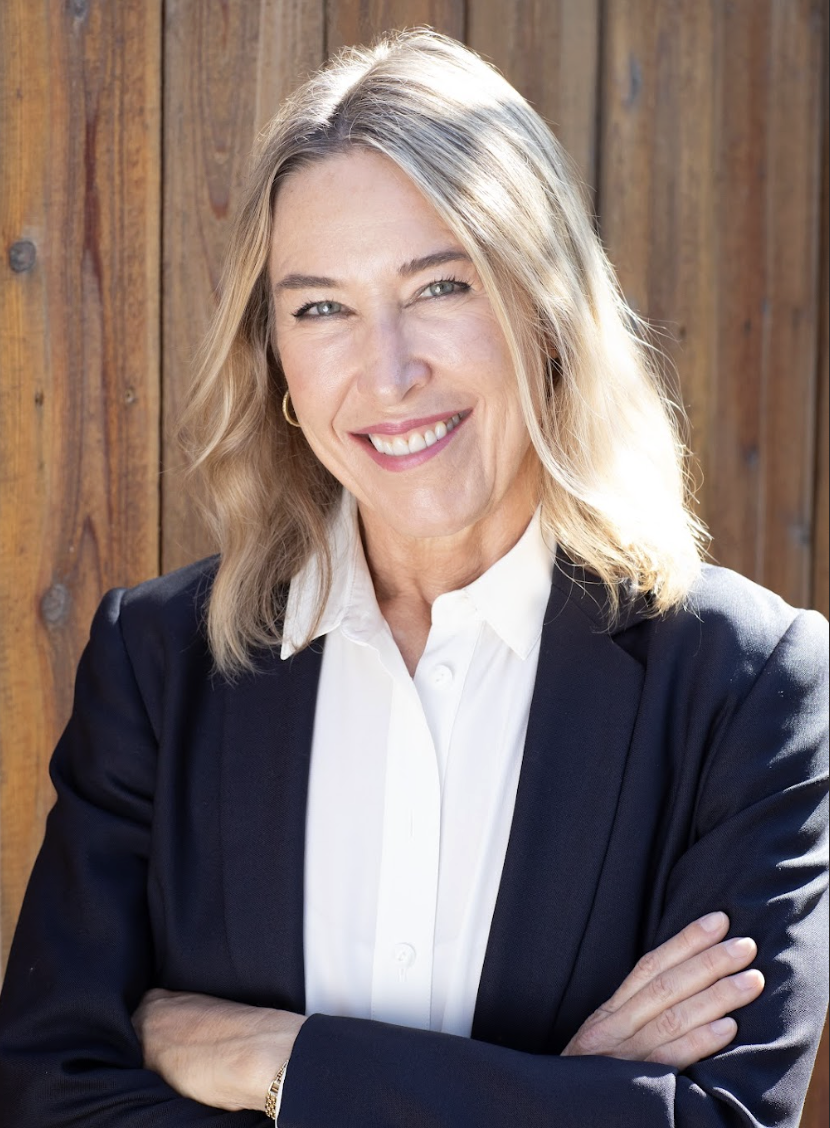
Jilleen Westbrook
Senior Director of Content
Jilleen Westbrook, Ph.D., joined the staff of the Thrive Center for Human Development in 2022. She earned her Ph.D. in Economics from Claremont Graduate University and has taught at Temple University, University of Southern California (USC), and the Claremont Colleges.Her academic work involved empirical investigations of psychological effects on markets that result from policy decisions. Before joining, the Thrive Center, she worked as a consultant. Dr. Westbrook has long been interested in issues of faith and well-being, particularly in the practices that encourage mental, physical, and spiritual health.
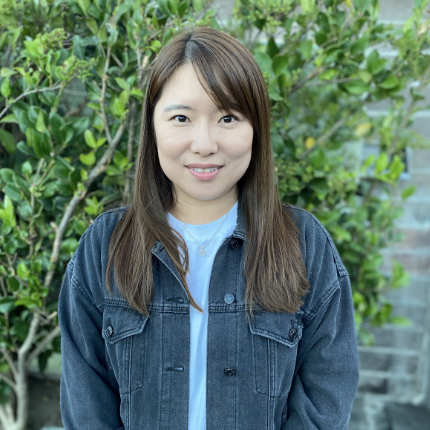
Lauren Kim
Operations Manager
With over 10 years of operational & admin experience, Lauren Kim joined the Thrive Center in 2022 to utilize her passion for faith-based creativity and witnessing others' ability to be joyously renewed. With an innate interest in different cultures and being born & raised in Seoul, Korea, Lauren hopes to connect a bridge between students of various backgrounds and their spirit's capability to thrive as He intended. In her intimate pursuit of God while cultivating the artistic passions of her heart, Lauren takes pride in being part of a team that brings forth the fruit of encouragement and spiritual joy in all.
Students
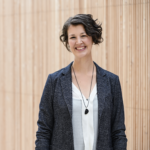 Rebecca Baer is a fourth-year Ph.D. student in Fuller’s Clinical Psychology program. As a doctoral candidate, she is pursuing her dissertation, funded by the Travis Research Institute, that seeks to operationalize a definition of adult relationality called Reciprocating Love and a scale that measures this. Rebecca holds an M.A. in Psychology from Fuller Theological Seminary and an M.A. in Systems Theory Counseling from the Internationale Hochschule Liebenzell, Germany. Rebecca’s passion lies in pursuing research and clinical work that focuses on the mechanisms of healing and empowering relationships – between diverse peoples and with God. When she is not reading, writing, or pursuing her clinical training, you can find Rebecca enjoying time out in nature with her husband and two beautiful little girls.
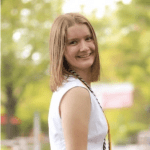 Grace Leard is a first-year Ph.D. student in Fuller's Clinical Psychology program. She is passionate about exploring how various groups thrive amidst the systemic and social barriers present in our world today. In particular, Grace is interested in examining how people conceptualize, relate to, and find hope in light of various life challenges and how spirituality plays into this equation. She highly values community driven and focused work, utilizing participatory action and mixed methodologies. Grace received her B.A. in Psychology and B.A. in Sociology from Muhlenberg College. Outside of her academic pursuits, she enjoys reading, hiking, doing anything active, and spending time with loved ones.
THRIVE CENTER RESOURCES
Please see thethrivecenter.org for resources and to listen to our With & For podcast on spiritual health and thriving.

Contact Us
phone: 626.584.5544
email: [email protected]
Staff
Nicole DeCamp
Research and Grant Administrator
[email protected]
Address
180 N Oakland Ave
Pasadena, CA 91101